
Botanical Art vs. Botanical Illustration: What’s the Difference?
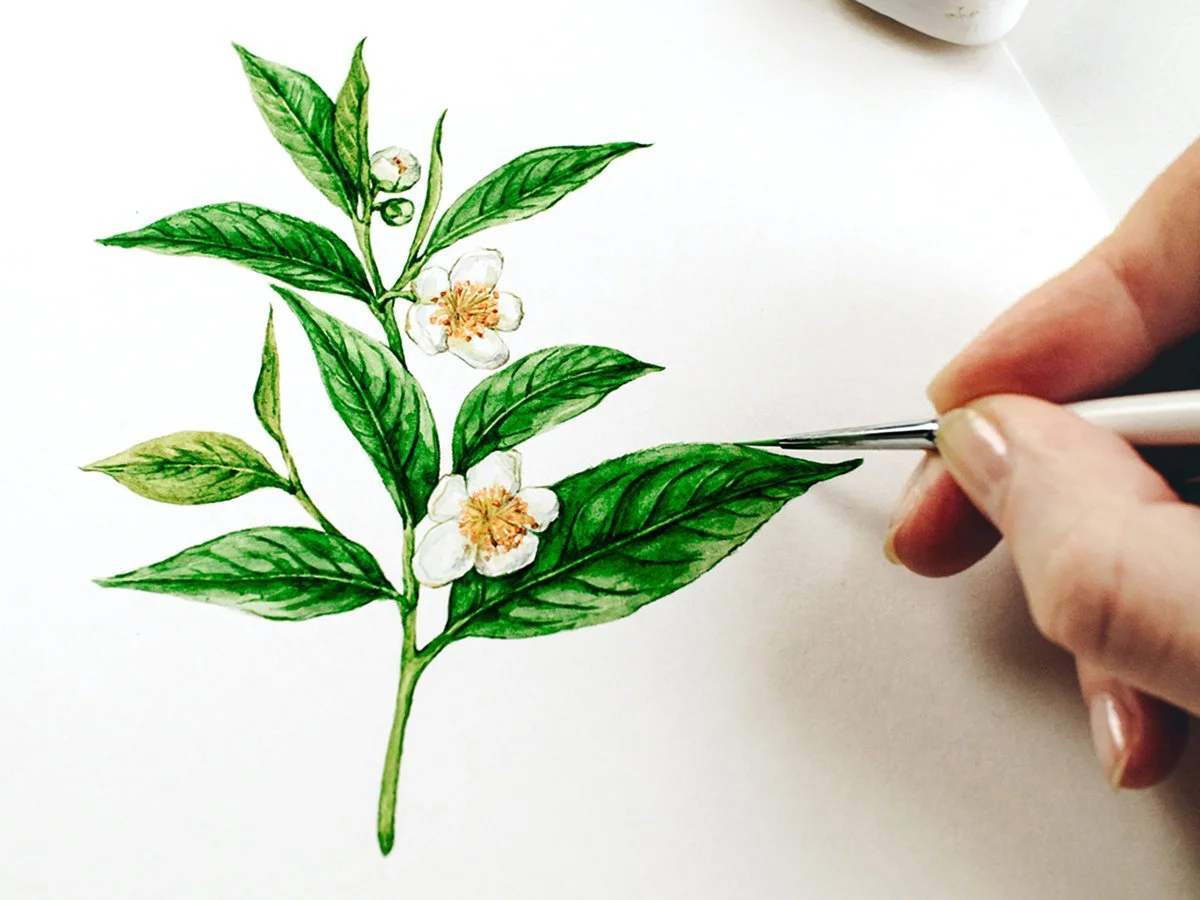
Botanical art and botanical illustration are often used interchangeably, but they serve different purposes. Both celebrate the beauty of plants, flowers, and nature, but the intention behind the artwork, the level of accuracy, and the final use of the artwork can be very different.
Understanding this difference is especially important when commissioning custom botanical illustration for a book, packaging, brand campaign, or a personal collection.
As a botanical illustrator with over 10 years of professional experience, I have received thousands of inquiries from clients with very different goals, expectations, and budgets. A private collector looking for a painting for their home is looking for something very different from a global brand commissioning artwork for packaging that will appear on products sold across North America and beyond.
Let’s explore the difference between botanical art and botanical illustration — and what brands should consider when looking for the right artist.
What Is Botanical Art?
Botanical art is artwork inspired by plants, flowers, food, or ecosystems. The main purpose is often to capture the beauty, emotion, and character of a plant through artistic expression.
A botanical artist may focus on:
The mood and atmosphere of a plant
Colour, texture, and composition
A personal interpretation of nature
Decorative qualities or a personal style
Botanical art can range from highly detailed watercolor paintings to more expressive interpretations using other techniques like oil painting, photography, sculpture, etc.
Historically, botanical artwork has been collected as fine art and displayed in homes, galleries, and exhibitions. Today, botanical paintings continue to be popular among collectors, interior designers, and brands looking for artwork that brings a natural, handcrafted feeling into a space.
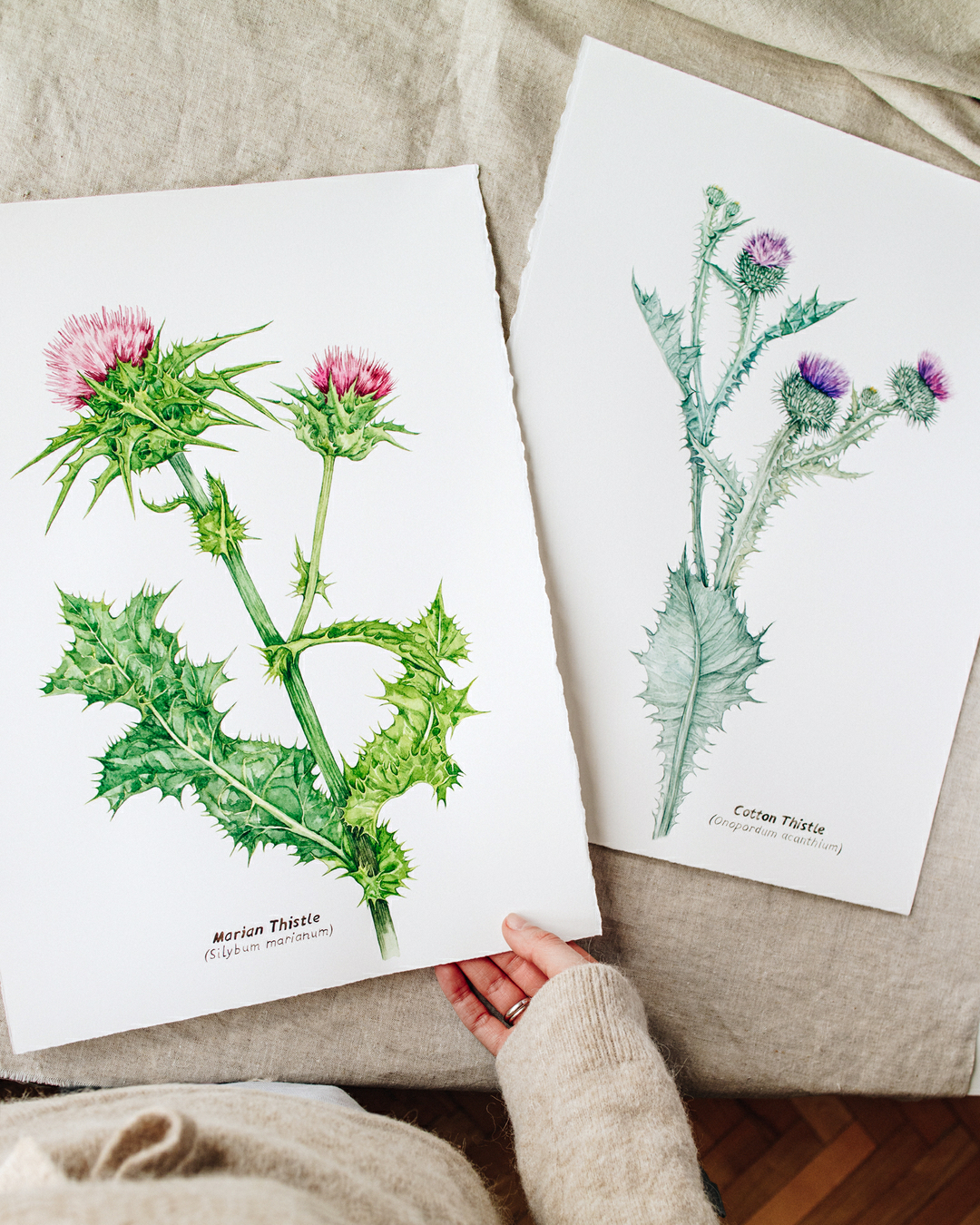
What Is Botanical Illustration?
Botanical illustration combines art with scientific observation. The purpose is to accurately communicate the characteristics of a plant.
A botanical illustrator considers:
Plant structure
Leaf arrangement
Flower anatomy
Growth patterns
Seasonal changes
Accurate colour and proportions
Traditional botanical illustrations were created to document plant species before modern photography and digital tools existed. They became essential for scientists, botanists, gardeners, and educators.
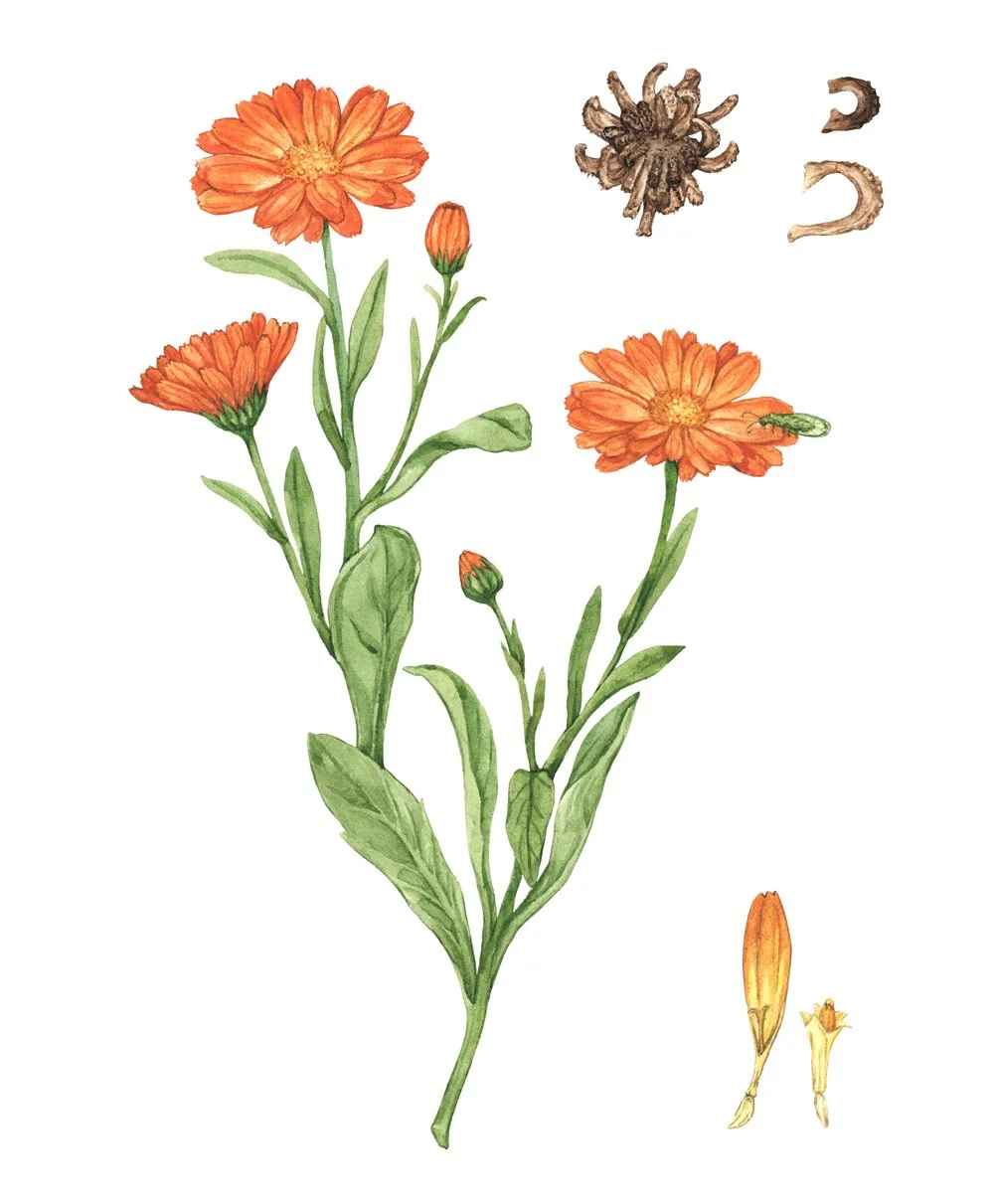
Today, botanical illustration is still used in:
Plant identification guides
Scientific publications
Educational materials
Museum exhibitions
Gardening books
Pharmaceutical and wellness publications
Packaging for products featuring botanical ingredients
A successful botanical illustration balances accuracy with visual clarity, making it both informative and beautiful.
A Brief History of Botanical Illustration and Women Botanical Artists
Women have played an important role in botanical illustration, particularly in documenting native plants and wildflowers across North America. During the 19th and early 20th centuries, many women artists contributed illustrations to botanical publications, field guides, and educational materials at a time when opportunities for women in science and art were limited.
Artists such as Mary Vaux Walcott became known for their detailed watercolor studies of North American wildflowers. Her five-volume publication North American Wild Flowers, released in the early 1900s, documented hundreds of native plant species through precise watercolor illustrations.

Other women artists, including Elizabeth Blackwell and Marianne North, helped expand botanical knowledge through their plant studies and published works.
These artists were not simply painting flowers — they were creating visual records of biodiversity, helping people understand and appreciate the natural world.
Today, botanical illustrators continue this tradition by combining knowledge of botany with contemporary artistic approaches.
Botanical Accuracy vs. Artistic Expression
One of the biggest differences between botanical illustration and botanical art is the balance between accuracy and creative interpretation.
A scientific botanical illustration may require:
Precise plant identification
Accurate botanical features
Minimal artistic alteration
A botanical artwork created for a brand or publication may allow more creative decisions:
Adjusting composition for packaging
Creating a stronger visual impact by altering colors
Combining multiple plant elements
Developing a specific mood or brand aesthetic
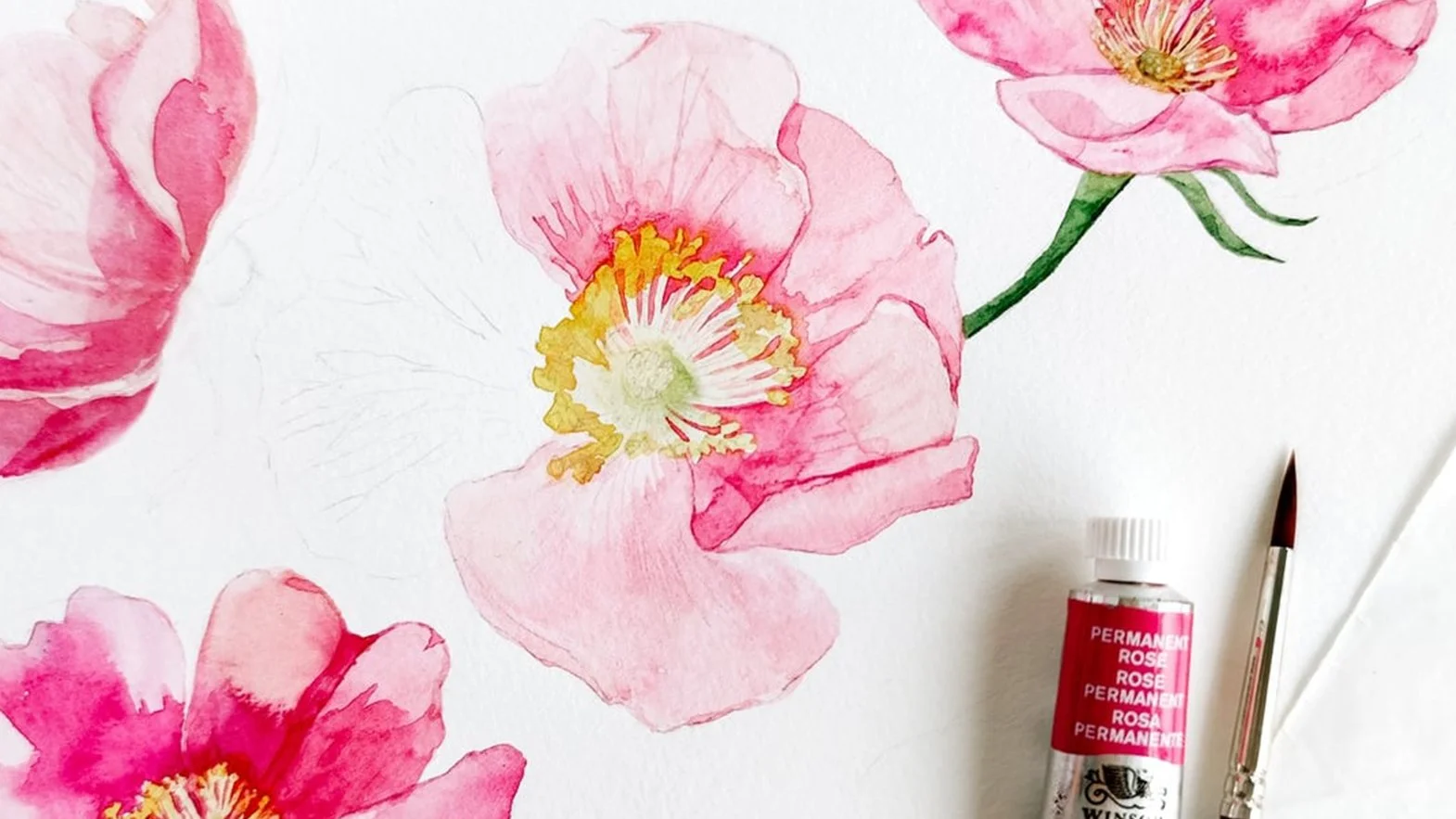
This does not mean one approach is better than the other. The right choice depends on the purpose of the artwork.
A field guide requires botanical accuracy. A luxury skincare package may need a botanical illustration that communicates the ingredient story while also creating an emotional connection with customers.
Why Commercial Botanical Illustration Costs More Than Personal Artwork
Many people are surprised by the difference in pricing between a personal commission and a commercial illustration project.
For private artwork, pricing typically reflects:
Artist time
Materials
Size and complexity
Creation process
Commercial illustration requires additional considerations because the artwork becomes a business asset.
A company commissioning botanical artwork for packaging may require:
An original custom illustration
Exclusive usage rights or a buyout
Licensing for specific markets
Permission to reproduce the artwork on thousands or millions of products
Usage rights for advertising
Some projects may also include confidentiality agreements or industry exclusivity requirements.
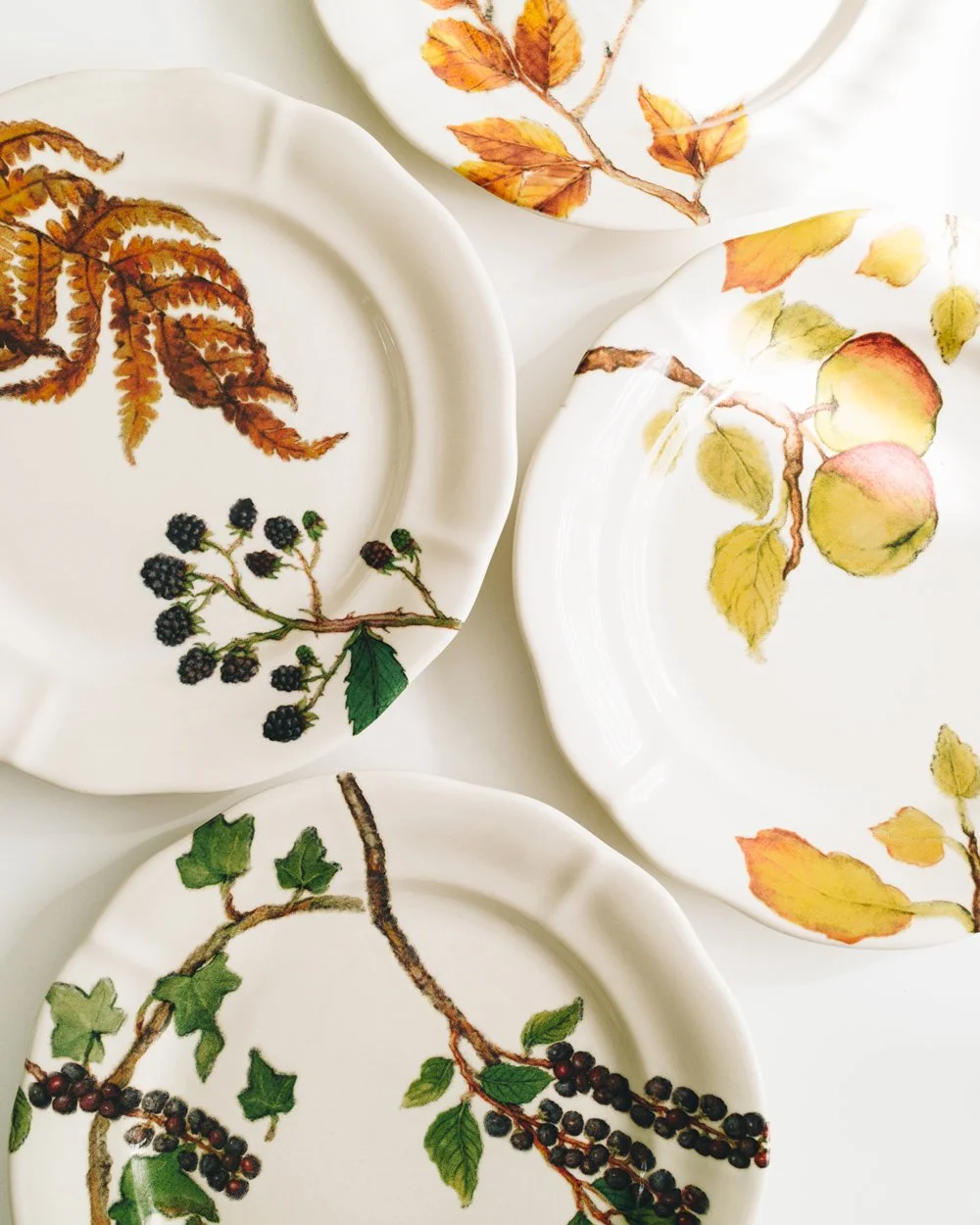
The investment reflects not only the creation of the artwork, but also the value it provides to the business.
How Botanical Illustration Helps Brands Tell Their Story
Packaging illustration is not simply decoration. It solves a communication challenge. Many companies approach illustrators because they need their products to stand out in a crowded marketplace.

Some examples of real client briefs from my years of creating packaging art include:
“Our packaging feels outdated and needs a refresh.”
“Our current bottles look too plain and do not stand out from competitors.”
“We want customers to immediately understand the natural ingredients we use.”
Large brands do not make these decisions based on someone’s personal preference. Packaging designs often go through research, testing, and strategic decision-making before reaching store shelves.
A successful botanical illustration for packaging considers:
The target customer
Brand positioning
Competitor landscape
Product story
Production requirements
Where the artwork will appear
The illustrator’s role is not only to paint a beautiful flower, it is to create artwork that supports a larger brand goal.
Botanical Illustration for Publishing
Publishing illustration has a similar purpose. Artwork created for books, magazines, and educational materials needs to communicate information while engaging readers.
Botanical illustrators create artwork for:
Gardening books
Nature guides
Herbal and wellness books
Cookbooks
Educational publications
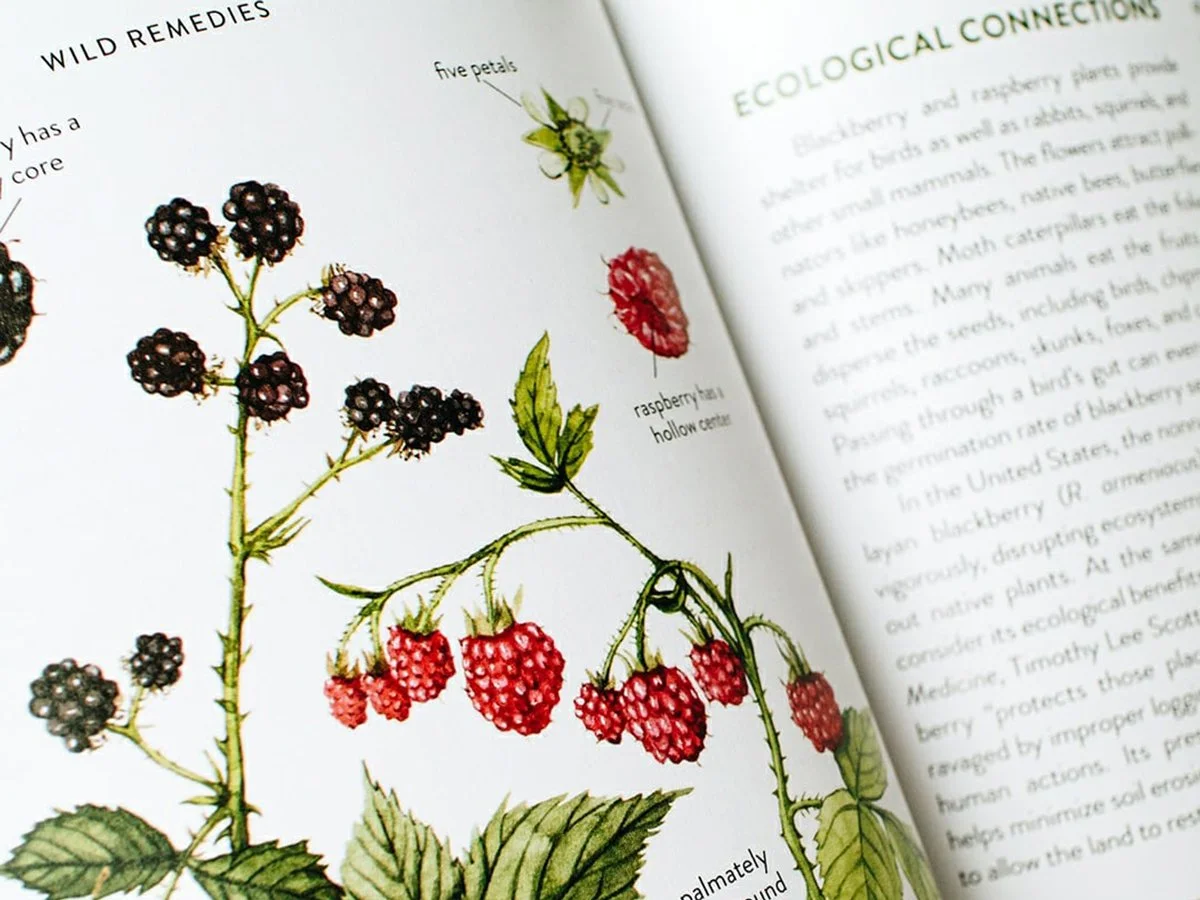
The illustrator must consider both accuracy and storytelling — creating images that help readers understand and connect with the subject.
How to Choose the Right Botanical Illustrator for Your Project
When searching for a botanical artist or illustrator, consider the purpose of your project.
Ask yourself:
Do you need artwork for education or identification?
Look for an illustrator with strong botanical accuracy and research skills.
Do you need artwork for packaging or branding?
Look for an illustrator who understands visual storytelling, production requirements, and commercial licensing.
Do you need artwork for a personal collection?
Look for an artist whose style connects with you emotionally.
A strong botanical illustrator can combine knowledge of plants with artistic skill to create artwork that is both accurate and meaningful.
My Approach to Botanical Illustration
My work combines traditional watercolor techniques with botanical research and contemporary commercial illustration.
I create hand-painted botanical artwork for:
Publishing
Packaging
Beauty and wellness brands
Food and beverage companies
Surface design projects
Whether illustrating a plant for a field guide or creating artwork for a product launch, my goal is always the same: to capture the unique character of each plant while creating artwork that communicates a clear story.

If you are looking for a custom botanical illustration for a book, brand, or product, I would love to discuss your project.
Explore my Botanical Illustration portfolio and Brand Collaborations in Beauty, Food & Beverage, Garden, and Home Decor.