
How Botanical Illustrations Are Created for Nonfiction Books
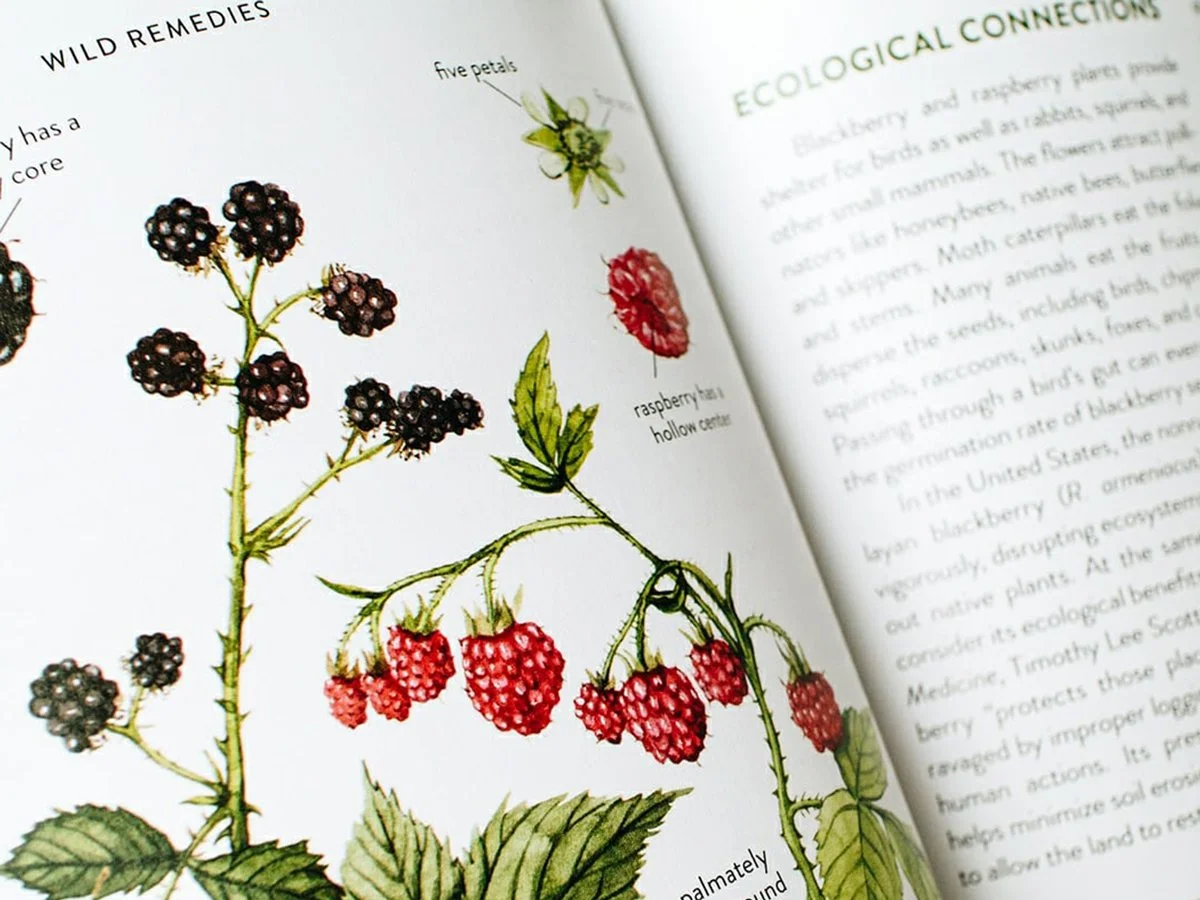
Plant ID illustration
Botanical illustrations bring nonfiction books to life, combining accuracy with artistic expression. From field research to final watercolor artwork, these illustrations help readers connect with plants, herbs, and nature-inspired subjects.
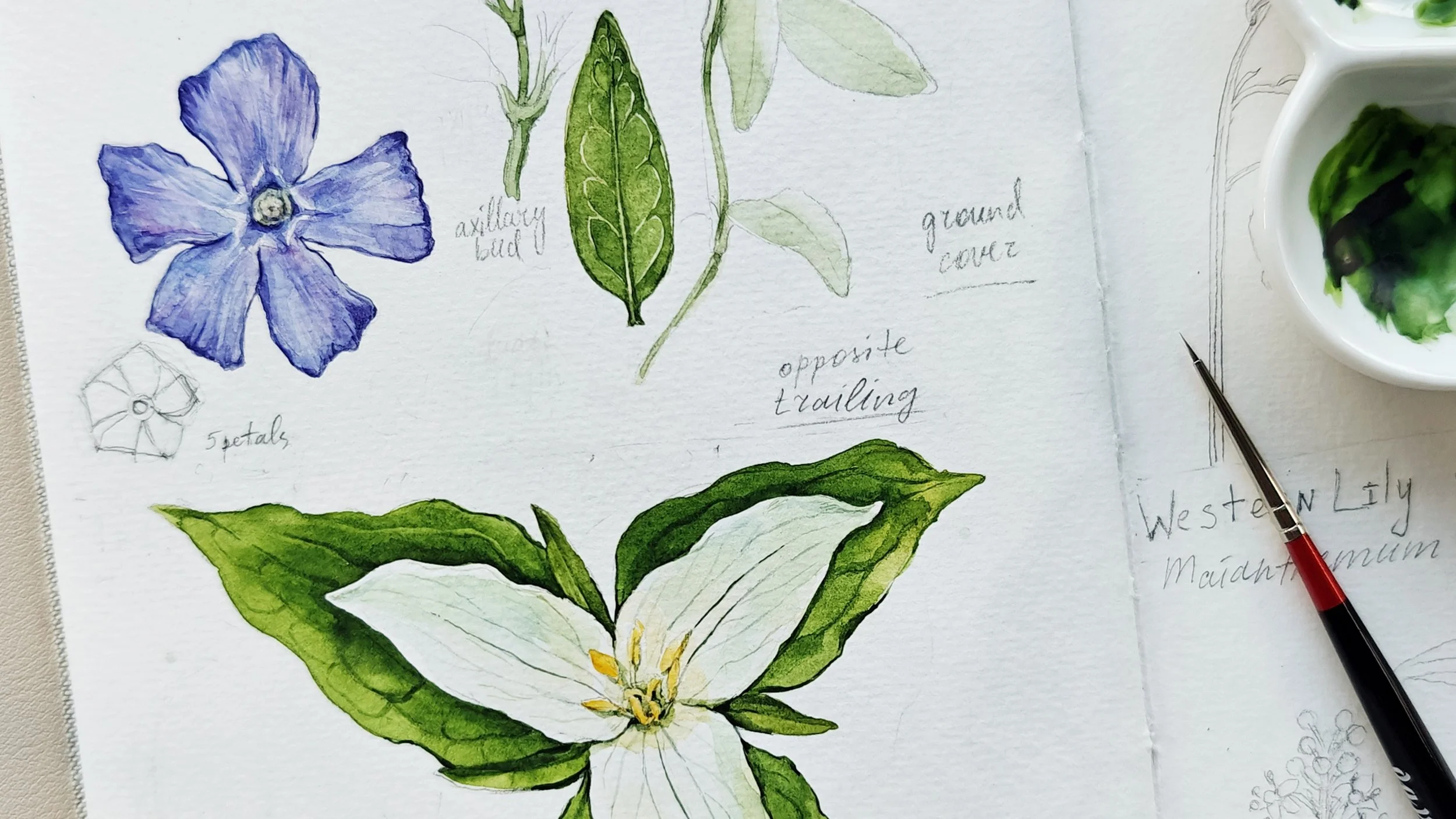
Botanical sketch of medicinal plant hand-drawn by a book illustrator
Step 1: Research and Observation
Every project begins with careful research. I study the plant’s structure and growth habits, ideally referencing both live specimens and high-quality photographs. Understanding botanical details ensures each illustration is accurate and informative, which is especially important for reference books such as field guides.
A basic knowledge of botany is incredibly helpful at this stage, but I still learn something new with almost every plant I illustrate. Each species has its own unique structure, adaptations, and story within its plant family. Discovering these details while preparing to paint always feels like the beginning of a small expedition, and it’s one of the parts of the process I enjoy the most.
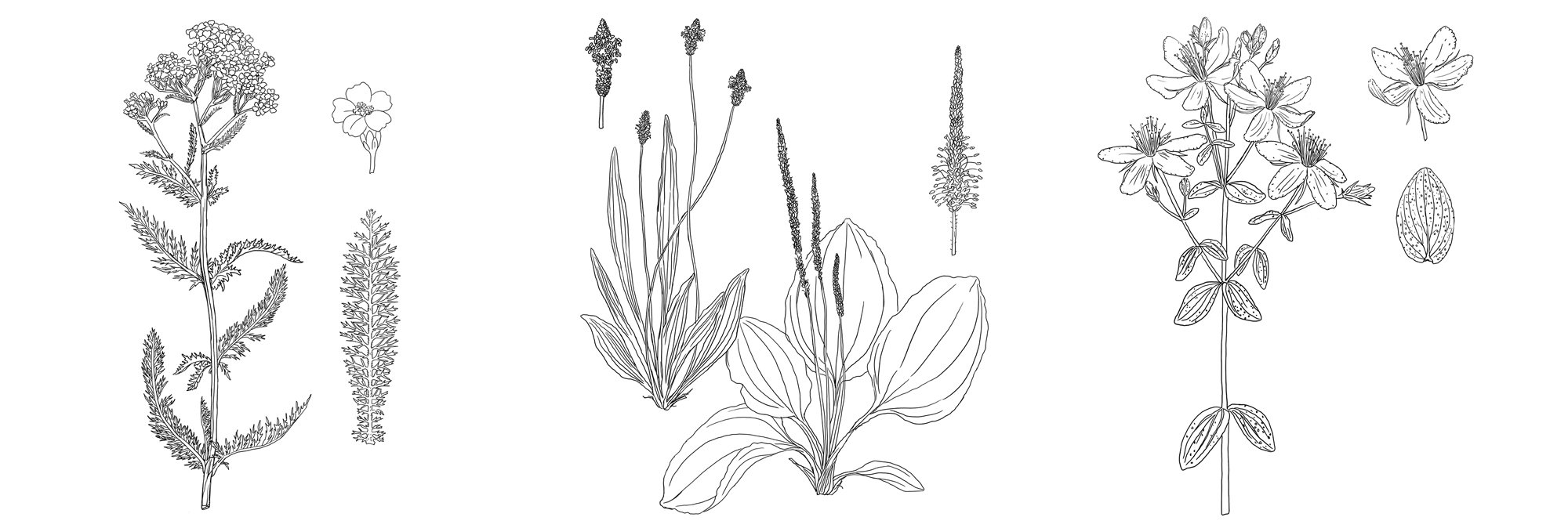
Botanical illustration at the sketch stage for educational book pages
Step 2: Sketching and Composition
Once the research is complete, I create detailed sketches to establish the composition, scale, and perspective of all elements included in the illustration. At this stage I also consider the layout of the page: planning placement, margins, and space for text, so the artwork supports the content and integrates naturally with the book design.
For plant identification illustrations, I usually aim to show the entire plant while also highlighting important details. This often includes depicting the plant at multiple flowering stages, such as buds and fully open flowers. I also add magnified elements to clearly show specific parts of the plant, like the flower structure, leaves, roots, seeds, or fruit. Including these details helps readers better understand and identify the plant while keeping the illustration visually clear and informative.
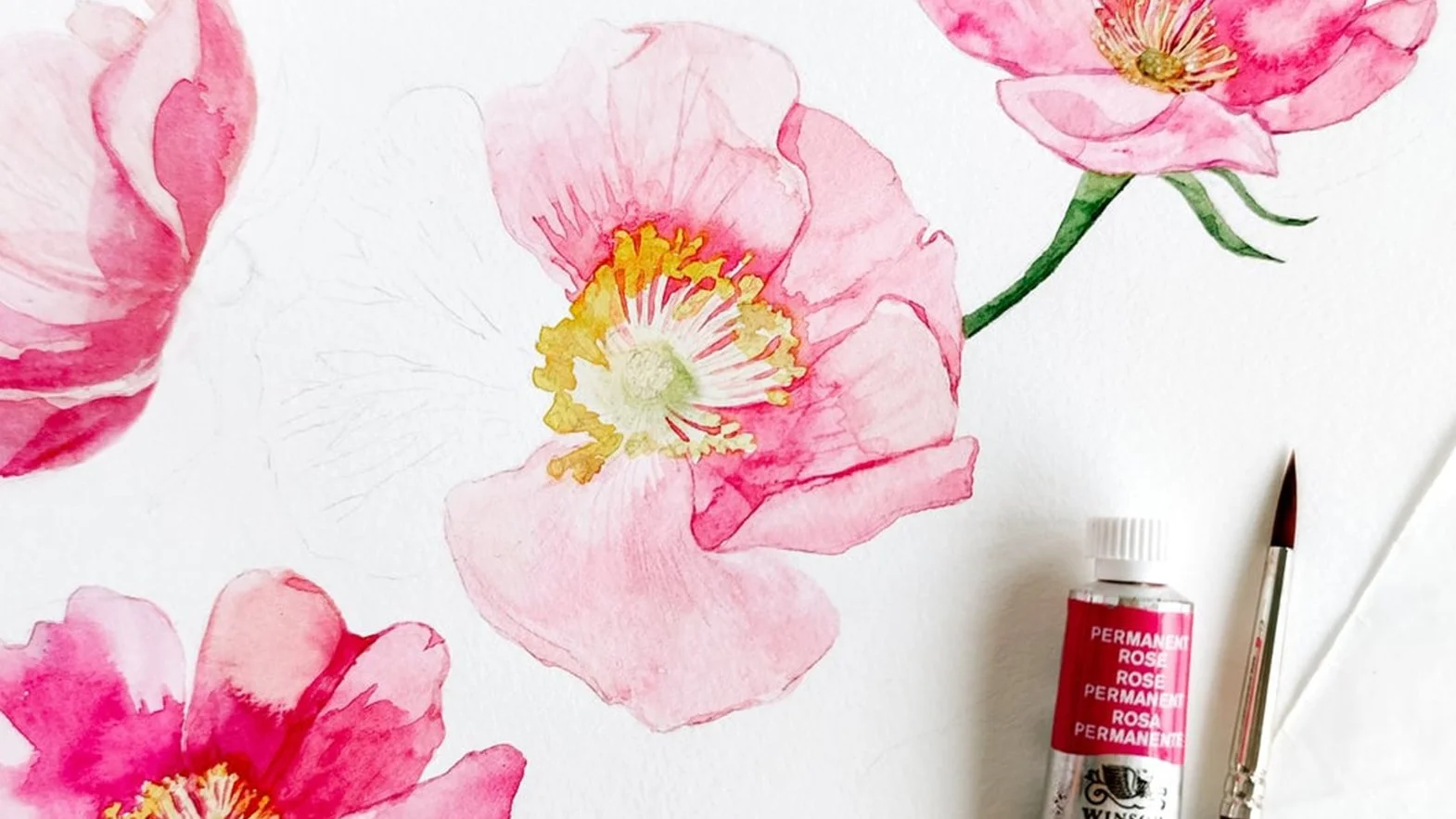
Hand-painted watercolor botanical illustration of wildflower for a book project
Step 3: Watercolor Painting
Once the sketch is finalized, I begin translating the drawing into a hand-painted watercolor illustration. I work in transparent layers, gradually building color and depth. Watercolor allows me to capture subtle variations in tone and texture, which is especially important when painting botanical subjects such as petals and leaves. The goal at this stage is to balance botanical clarity with a natural, lively appearance that reflects how the plant exists in nature.
Watercolor has been my primary medium for many years, and I’ve developed a process that helps maintain both accuracy and artistic expression in the final artwork. Botanical subjects often require patience - some areas may need several controlled layers to achieve the right transparency and color balance. Over time I’ve learned how to simplify complex plant structures while still keeping the details that matter for identification and visual storytelling.
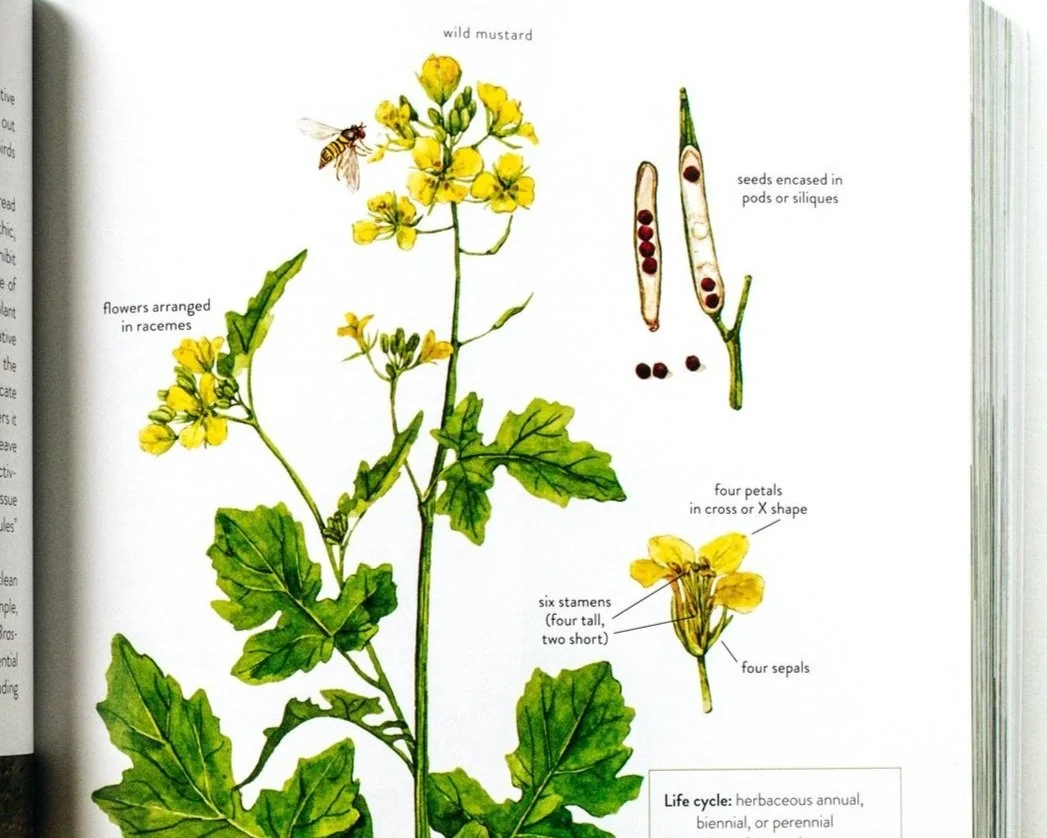
Mustard plant botanical illustration for the Wild Remedies book
Step 4: Production-Ready Artwork
Once the painting is complete, the artwork is carefully digitized and prepared for printing. I scan the illustrations at high resolution and perform light adjustments to ensure color accuracy and clarity. At this stage the artwork is formatted according to the publisher’s specifications, making sure the files are ready for reproduction in print and digital formats.
Having worked on illustration projects for books and editorial publishing, I understand how important it is to deliver artwork that integrates smoothly into the production workflow. This means preparing files with the correct resolution, color profiles, and margins so designers can easily place them into layouts. My goal is always to ensure the final illustration maintains the quality of the original painting while reproducing beautifully on the printed page.
Explore my Illustration work for Wild Remedies book, to see how botanical artwork can support nonfiction storytelling and bring plant knowledge to life for readers.

Rosehip watercolor botanical illustration for a book
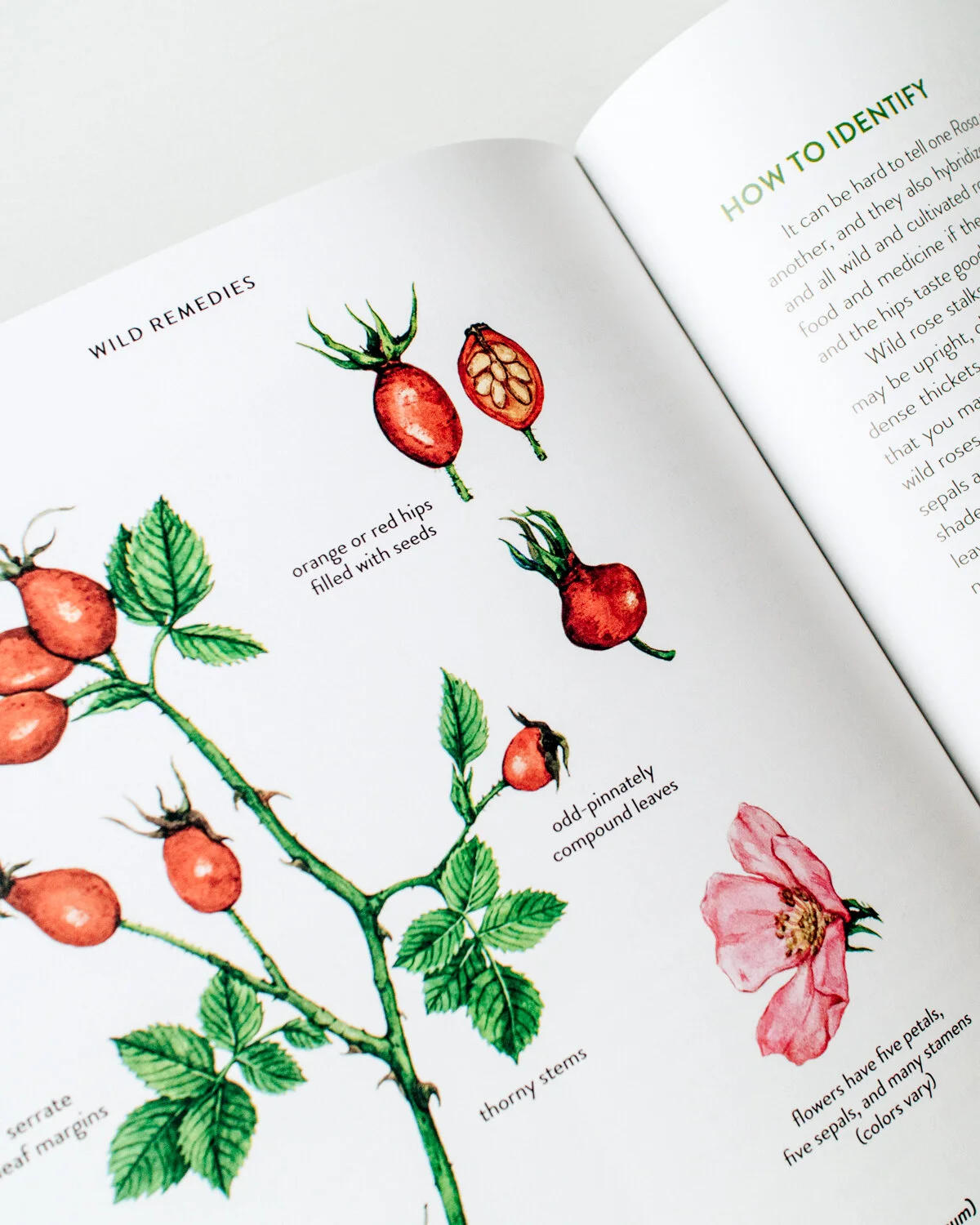
Rosehip plant ID page from Wild Remedies book
Conclusion
Botanical illustrations do more than decorate a page - they help readers understand plants in a clear and meaningful way. By showing structure, key identifying features, and important details, illustrations support the text and make complex botanical information easier to follow. This is especially valuable in nonfiction books that focus on plant identification, herbal medicine, cooking or natural history.
For publishers and authors, botanical illustration adds both clarity and visual depth to a book. Well-crafted illustrations can guide readers through the subject matter, highlight important plant characteristics, and create a more engaging reading experience.
My goal with every project is to create artwork that is not only beautiful, but also informative and useful for readers exploring the natural world.
Explore my Publishing Illustration work and see how I can bring your book’s botanical content to life.